

Stake reliability: Standards, systems, and processes explained
Stake serves as a top hub for bettors who seek a safe spot to play casino games and wager on sports. It upholds its licences under the Curaçao Gaming Authority (CGA) to ensure fairness. Loyal players worldwide with long-term experience with the platform can vouch for Stake reliability.
With a robust Application Programming Interface (API), Stake can keep up with modern technology in keeping the website and its games optimised. Its smart systems help secure funds and user data. Operational security ensures the site stays operational 24/7 with security checks and strict quality control.
Beyond its strong security measures protecting both your funds and personal data, Stake allows players to verify the accuracy of game results through its commitment scheme and cryptographic hashing. These systems ensure that every outcome is provably fair, giving players confidence in the reliability of the platform. By making results transparent and verifiable, Stake demonstrates that its trustworthiness is built not on chance, but on provable, verifiable systems.

Stake reliability standards

Stake reliability standards set the benchmark for how the platform maintains strength, fairness, and service quality, ensuring consistent performance that meets players’ expectations without fail. These standards cover everything from stable access to fair betting mechanics, providing a seamless experience both during regular play and peak demand periods.
Here are the standards setting up Stake’s reliability as a platform:
Industry standards act as shared reference points
Quality assurance embedded in development
Process consistency across operations
Risk management as prevention
Operational reliability as a daily practice
Continuous improvement through measured change
One of the most important guidelines to follow is the accepted industry standards. These shared guides are shaped by tempered insights from iGaming developers, operators, and user trust over the years. Stake upholds these standards to stay competitive in the crypto casino market.
The goal of this standard is to keep the platform practical and user-friendly. While Stake continues to explore innovative features and engaging experiments, it never sacrifices ease of use. This means you can enjoy new systems and updates on the platform without any impact on casino and sports betting reliability, ensuring a seamless and trustworthy experience every time.
Stake and its partners follow quality assurance standards in testing new tools and tracking user behaviour. Tests cover system load, speed, data flow, and edge cases under stress. It is a layered approach, ensuring that new implementations strengthen the platform with no negative effects on user experience.
Process consistency ensures that tasks remain clear, repeatable, and efficient across regions and time zones. Well-defined and standardised rules govern access to tools, data, and systems, creating a structured environment that promotes accountability and smooth collaboration.
Stake implements advanced risk management measures to keep your gaming sessions safe, seamless, and enjoyable. Experts continuously monitor system performance, web traffic, and peak loads, quickly resolving any stress points to maintain stability. With proactive platform management, your experience remains frictionless even during high-traffic periods, letting you enjoy major casino and sports betting offers without delays or interruptions.
Stake’s commitment to operational reliability means every visit is seamless. Daily checks monitor platform performance, game load times, and site health to ensure smooth gameplay at all times. Real-time monitoring tools catch minor issues early, allowing the team to act fast and prevent interruptions. With Stake, you can enjoy frictionless casino and sports betting sessions.
Continuous improvement relies on data, review notes, and audit results. Stake plan changes in small steps and test each one. Decisions that made a positive impact stay, and ideas that don’t meet the standards are reworked. This measured cycle continuously improves Stake’s platform with minimal risks.
Stake reliability systems
Stake reliability systems ensure steady access and fair results. These tools focus on resilience, oversight, and automation for the whole platform. Reliability comes from how parts link, share data, and act under stress. Each layer follows clear rules and tested paths to help the next. This setup keeps casino gaming and betting smooth even during busy times.
Automation for accuracy and efficiency
Automation manages tasks that require both speed and precision. Stake’s systems perform updates and checks independently, following consistent rules every time to prevent errors. This approach ensures records remain accurate during long gaming sessions and peak betting periods. By enabling rapid responses, automation helps reduce lag and keeps your access smooth and uninterrupted.
Real-time monitoring for constant oversight
Real-time monitoring tracks all Stake services, showing traffic, speeds, and errors as they happen. Alerts trigger if limits are exceeded, allowing the team to resolve issues quickly. This early detection keeps gameplay smooth and access stable across all time zones.
Data integrity as a system priority
Data integrity ensures all records remain accurate and complete. Systems verify that balances and game results reflect real events, running checks during and after every transaction. Any discrepancies are flagged before reaching your account, protecting your casino and betting activity. By maintaining high standards, Stake provides reliable records, fair outcomes, and a foundation you can trust.
Secure systems supporting stability
Secure systems protect data as it moves across Stake’s platform. Regular checks of access paths help maintain a stable, well-controlled environment. By combining careful planning with ongoing oversight, Stake ensures that security reinforces platform reliability and keeps your experience safe.
Scalable architecture for growth
Scalable architecture helps systems grow as traffic rises. Tools spread the load across servers to maintain platform reliability. Resources expand based on what you need. This method supports reliability, especially during peak times.
Continuous system review
Stake conducts daily data reviews, guided by logs and alerts. Patterns reveal stress points, allowing us to make informed improvements. This steady oversight drives consistent growth, fixes issues based on facts, not guesses, and ensures our systems continually improve with clear, measurable results.
What happens if Stake systems detect an issue?
Stake holds the right to pause or close accounts. Rules in the terms and conditions protect all players under anti-money laundering (AML) laws. Compliance tools find and prevent bad acts. Systems flag issues for review through automation and human eyes. Stake may block cash-out requests, ask for more information, or freeze an account during a check.
How does Stake maintain reliability?
Stake maintains excellent site health through robust systems, continuous monitoring, and game results you can verify. Automated processes manage essential daily operations, while real-time monitoring tools track platform stability and quickly detect minor issues before they escalate.
This proactive maintenance ensures smooth casino gaming, uninterrupted playtime, and seamless game sessions for all users. Stake’s provably fair technology allows bettors to independently verify every outcome, reinforcing transparency and building long-term trust in the platform.
Advanced security protocols, multi-layered protection, and data encryption safeguard user information throughout the betting process. Scalable infrastructure and backup servers ensure consistent access during peak traffic, while routine platform audits and controlled updates keep the site fast, secure, and reliable for long-term performance.
Stake reliability processes
Stake reliability processes are designed to protect users over the long term. The platform relies on operational workflows and transparent oversight to maintain consistent performance. Long-term stability is built through disciplined daily operations that prioritise system integrity and user confidence.
Verification procedures for controlled action
Validation controls after execution
Secure procedures for access and change
Incident response for continuity
Documentation and accountability
Consistent user experience as a process goal
Process review and refinement
Verification procedures ensure that all actions comply with established rules before they are implemented. Stake applies these checks to transactions, account changes, and platform updates to maintain operational consistency. Clear guidelines govern every decision, reducing the risk of errors and unplanned disruptions.
Validation controls review outcomes after actions are completed, comparing expected results with actual platform records. This process confirms accuracy, identifies discrepancies early, and supports continuous improvement across the system.
When outcomes align with predefined expectations, it demonstrates that operational processes are working as intended. Ongoing validation checks strengthen platform reliability while ensuring casino gaming remains fast, smooth, and uninterrupted.
Secure procedures also define who is authorised to act across the platform. Role-based access controls protect critical systems from unauthorised or unapproved changes, while multi-step approval processes ensure that no single individual can modify essential settings independently.
Comprehensive activity logs record every request and outcome, supporting regular audits and accountability. This structured access framework allows Stake to operate efficiently while maintaining full control, platform security, and long-term stability.

Incident response plans define clear steps for rare occurrences. Assigned roles eliminate confusion under pressure, ensuring everyone knows who leads and who reports. This clarity accelerates response and minimises disruption for players. Plans prioritise safety first, then recovery, while regular drills keep Stake prepared to act seamlessly, safeguarding user trust.
Stake’s documentation framework supports every reliability-focused activity across the platform. Detailed logs capture all bets and outcomes, allowing past events to be reviewed quickly and accurately. Each operational task is assigned a clear owner, ensuring accountability and consistent platform performance.
In addition, transactions can be verified on the blockchain, where every bet, deposit, and withdrawal is recorded in an immutable and transparent ledger, further reinforcing trust and traceability.
Processes aim to keep a consistent user experience. The platform tests everything before release to limit disruption to game sessions. Monitoring tools track site health in real time. This consistency builds trust and supports long-term betting across the site.
Stake reviews its workflows on a regular, scheduled cycle, using performance data and operational feedback to guide each evaluation. Rather than introducing large-scale changes, the platform prioritises incremental improvements that reduce risk and maintain system stability.

Stake provably fair
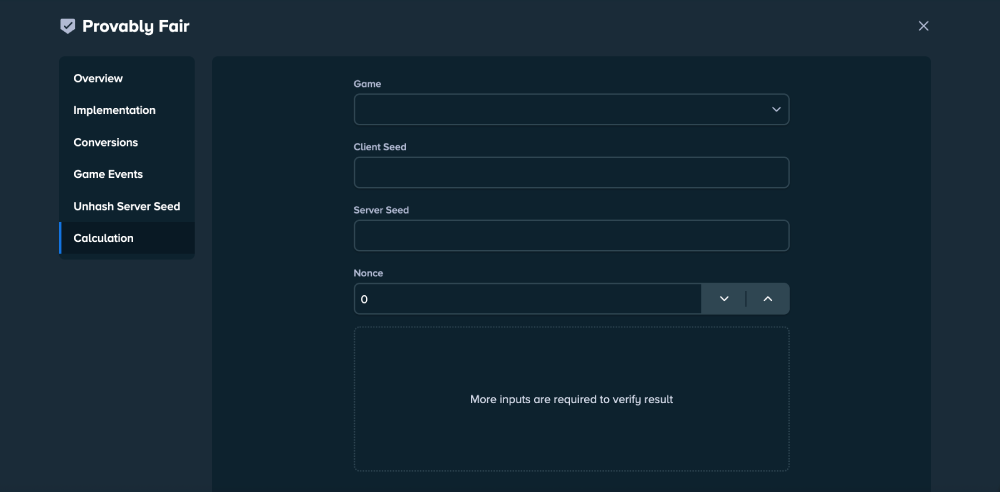
Stake provably fair describes a system that allows players to verify game outcomes. This removes blind trust and replaces it with proof. Fairness becomes visible through maths, cryptography, and open verification rather than belief in platform intent. Platform reliability improves when outcomes follow fixed rules that remain open to review after each game session.
How do provably fair systems work?
Provably fair systems combine input from both the platform and the player to generate each result. The platform first publishes a cryptographic hash of its server seed, locking the value before betting begins.
The player then adds a client seed, and both inputs determine the outcome. Then, the platform reveals the original server seed so players can verify that the outcome matches the published hash. This ensures transparent results that neither side can control alone.
Cryptocurrency verification and transparency
Cryptocurrency verification strengthens a provably fair casino system. Blockchain records create permanent transaction trails that align with game data and account balances. These immutable records support transparent review of betting activity and casino gaming outcomes.
Built-in verification tools, along with independent third-party platforms, allow players to confirm results at any time. This open access to verification reduces uncertainty and strengthens trust through consistent, repeat use.
Fairness transparency through cryptography
Fairness transparency depends on random number generation rules. Inputs such as client seeds, server seeds, and nonces ensure that each result stays unique and traceable. Cryptographic hashing links each step of the process, preventing silent change or adjustment. Transparent design protects accuracy and supports reliable record keeping across game sessions.
Trust signals and player confidence
Trust signals form through repeated proof rather than claims. Public verification methods and tools show that fairness checks remain open to scrutiny. Editable client seeds give players direct influence, which reinforces confidence in outcomes. Consistent behaviour across long play time builds growing player confidence.
How does provably fair support reliability?
Provably fair systems support platform reliability by making fairness measurable. Transparent processes reduce disputes, protect records, and support stable outcomes. User confidence grows when systems provide proof on demand. Reliability strengthens when trust forms through verification rather than assumption.
Stake data protection and information security

Data protection and information security form a core part of Stake data protection and information security. These controls protect user details, system records, and operational data that keep services stable. Reliable platforms treat security as an active system rather than a static ruleset.
Technical safeguards and operational controls work together to prevent loss, limit error, and maintain trust during daily betting and casino gaming activity. Strong security supports reliability by keeping systems accurate, available, and resistant to disruption.
Data encryption for protection in transit and storage
Data encryption protects information during transactions and while it is stored. Systems encrypt account details, payment data, and transaction records. Encrypted data stays secure and unreadable to unauthorised parties, even if access is attempted.
Data integrity checks for accuracy
Data integrity checks confirm that records remain accurate unless an approved change occurs. Systems track edits, timestamps, and access paths for critical data. Automated checks flag irregular patterns that may signal error or misuse.
Stake review alerts and confirms the cause before the impact spreads. Accurate data supports reliable reporting, fair outcomes for players and bettors, and stable settlement of betting results. Integrity checks prevent silent drift that could weaken trust over time.
Secure data handling across the platform
Secure data handling defines how staff collect, view, and use information. Role-based access ensures employees see only what their tasks require, while clear workflows guide safe practices during support, reviews, and system maintenance.
Regular training reinforces proper procedures and highlights common risk points. By following shared data-handling standards across departments, Stake minimises gaps from growth or handovers. This controlled approach protects sensitive information while enabling teams to work efficiently.
Cybersecurity controls for threat prevention
Cybersecurity controls protect systems from external threats. Firewalls block unauthorised attempts while monitoring tools track behaviour patterns and flag unusual access in real time.
These controls run continuously and adapt to emerging threats. Constant protection is essential, as unchecked attacks can disrupt betting, game sessions, and user access.
User data protection with SSL
User data protection is reinforced through robust SSL technology, keeping personal information secure during registration, deposits, and withdrawals. With these safeguards in place, players can enjoy casino games, live tables, and sports betting on Stake’s platform with confidence, free from cheating or security concerns.
Layered security design
Security relies on multiple layers rather than a single barrier. Network controls, system checks, and access rules support each other. Failure in one layer does not expose the full platform, limiting impact and creating time for immediate response. Layered security protects platforms that operate continuously across regions, providing resilience without affecting core performance.
Ongoing security review
Stake reviews its security and performance on a regular cycle, using logs, alerts, and audit data to guide each assessment. Adjustments follow tested procedures to prevent risks, ensuring ongoing protection as systems evolve. As a reliable online casino Germany, Stake treats security as a process that scales alongside its platform.
Stake reliability in the context of Germany
Understanding German user expectations is key to delivering a dependable platform. Players prioritise fair outcomes, consistent service, and clear insight into how systems work. In trust-oriented markets, platforms earn loyalty by demonstrating reliability through action, not just promises.
Stake reliability combines transparency, strong security, and consistent performance. Data privacy awareness runs high, so protecting personal and transaction information is essential. User-centric reliability reduces errors, giving users confidence during betting and casino gaming.
By consistently meeting these expectations, Stake fosters long-term trust, showing that fairness, security, and dependable performance are embedded in every interaction.